
At the Los Alamos Nature Center, you will see a few of the small animals found around the Pajarito Plateau. Sometimes our animals even visit classrooms and events. In this way, the animals help people learn about nature and learn how to enjoy wildlife safely.
Each of our educational animals is special, and you can help one of the animals feel extra special by adopting it. Your adopted animal will be cared for by PEEC staff, and your generous support helps PEEC provide the fresh food, good lighting, clean bedding, and other improvements that help to keep the animal happy and healthy.
Adoptions make great gifts!
Click on your favorite animal to be directed to the adoption form.
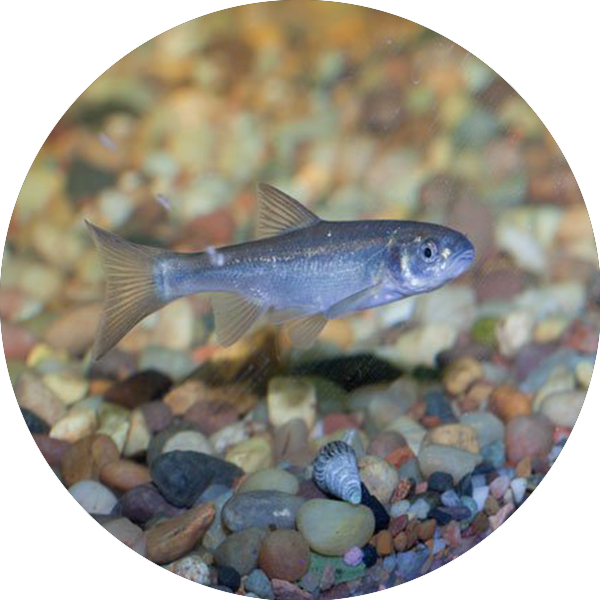
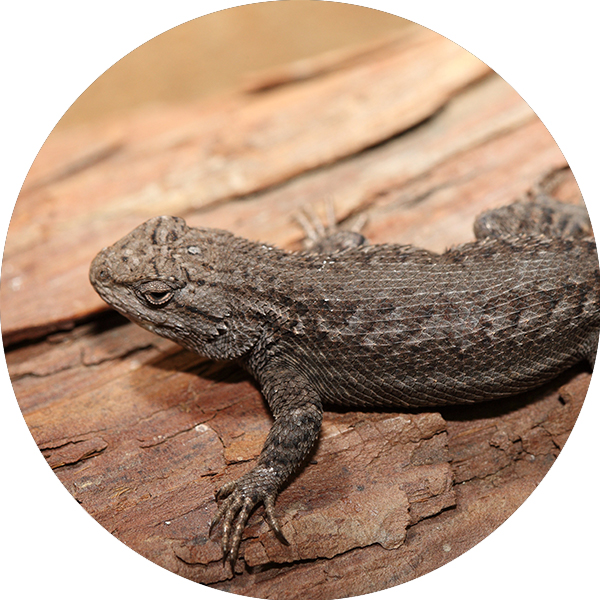
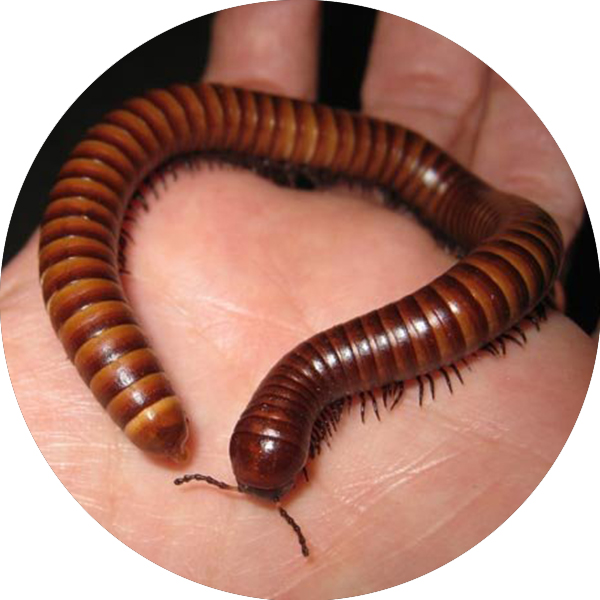
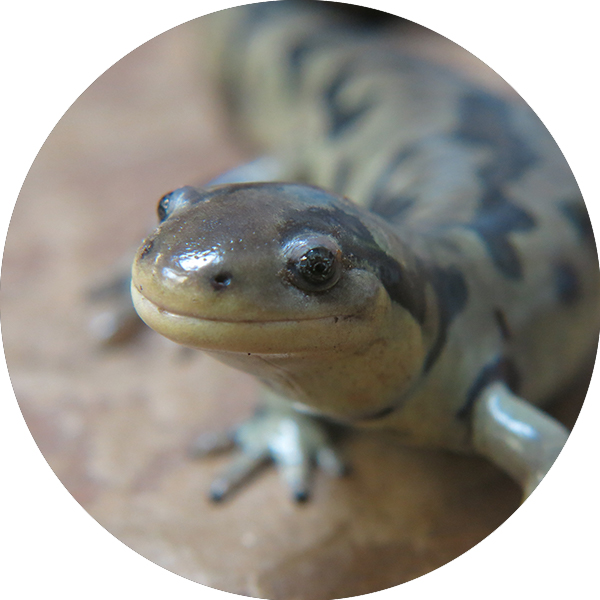
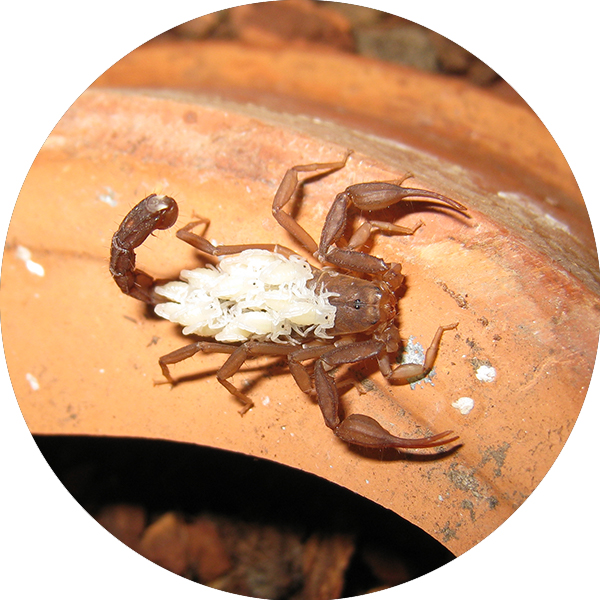
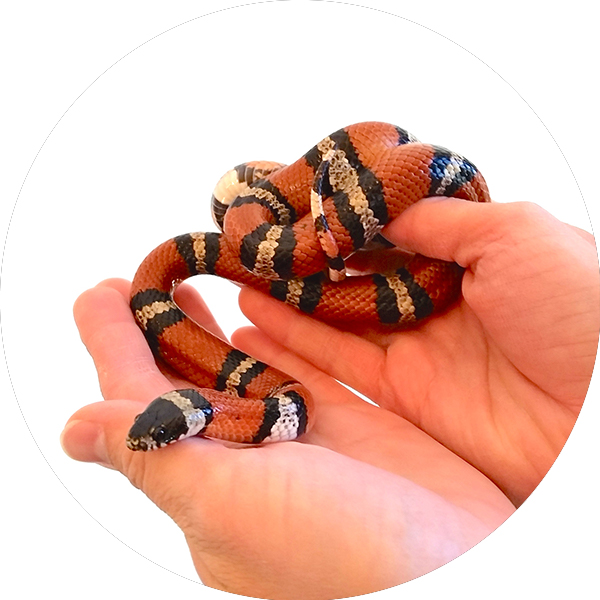
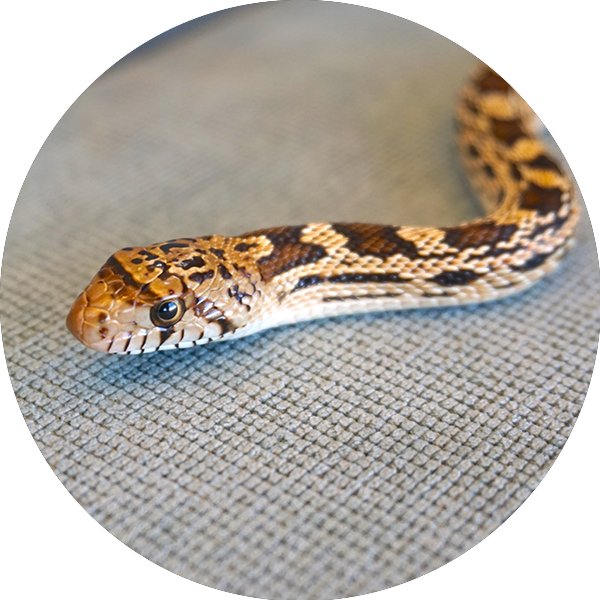
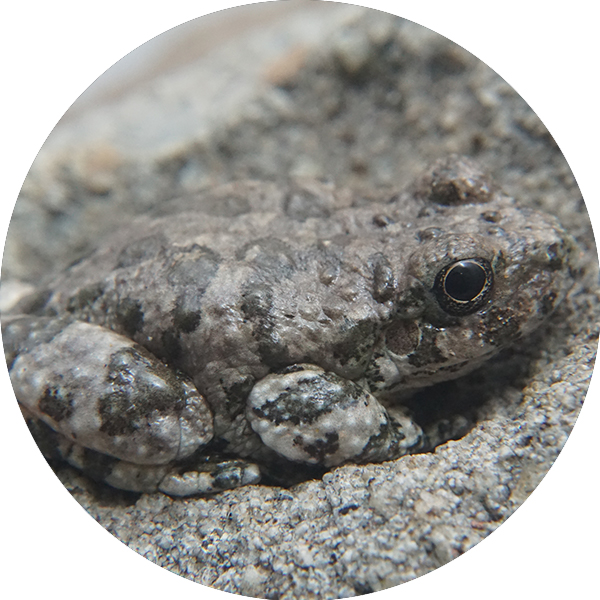
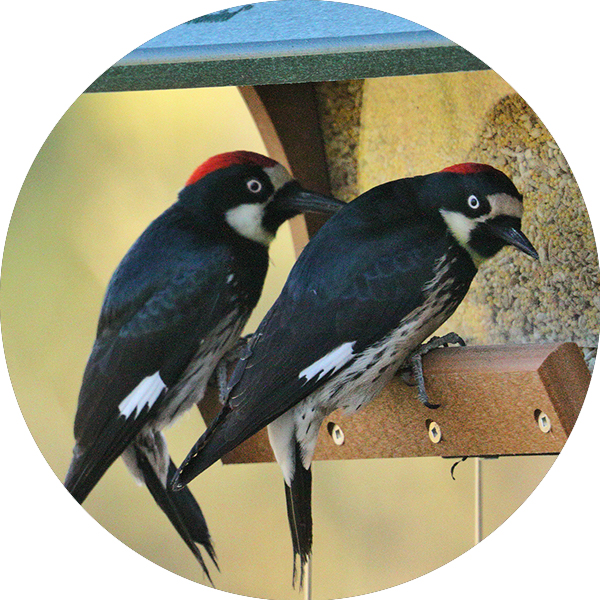
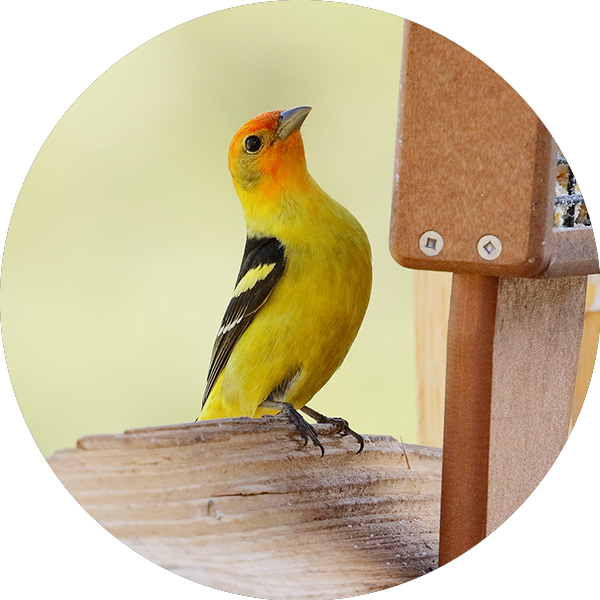
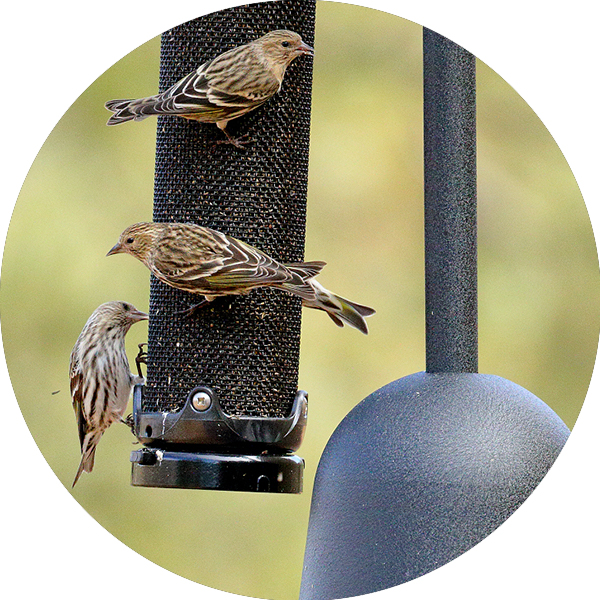
Animal Adoption Levels
Click a level for details.
Adopt any animal at this level and receive the following:
- Certificate of Adoption
- Fact Sheet
Adopt any animal at this level and receive the following:
- Certificate of Adoption
- Fact Sheet
- Biannual updates about the animal
- Your name or your recipient’s name displayed in the nature center
Adopt any animal at this level and receive the following:
- Certificate of Adoption
- Fact Sheet
- Biannual updates about the animal
- Your name or your recipient’s name displayed in the nature center
- Glossy photo of the animal
Adopt any animal at this level and receive the following:
- Certificate of Adoption
- Fact Sheet
- Biannual updates about the animal
- Your name or your recipient’s name displayed in the nature center
- Glossy photo of the animal
- Behind-the-scenes tour of the animal exhibits
PEEC Gardens and Outdoor Areas
Click on your favorite outdoor space to be directed to the adoption form.
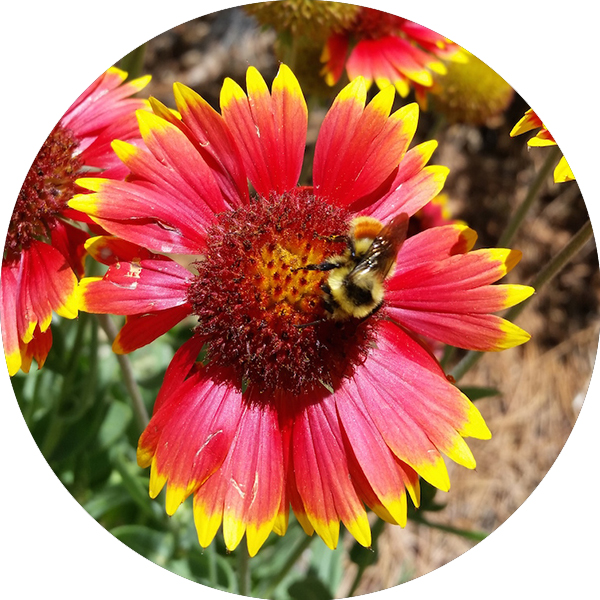
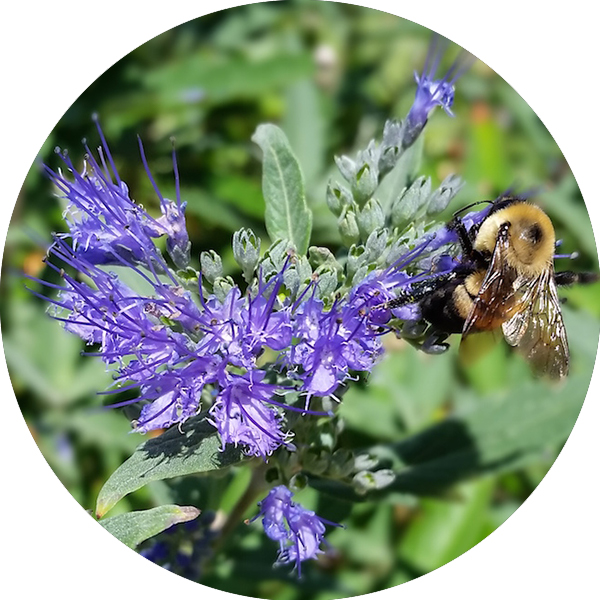
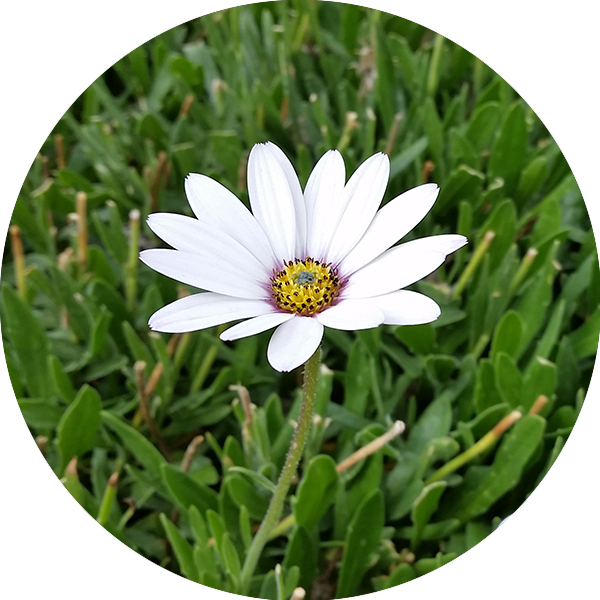
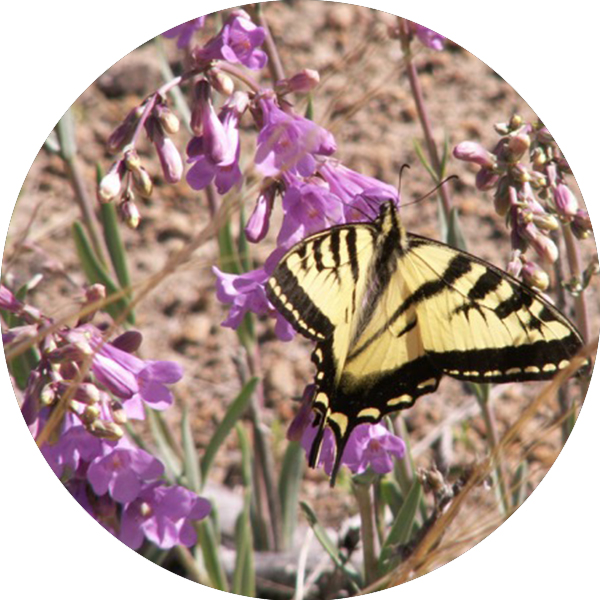
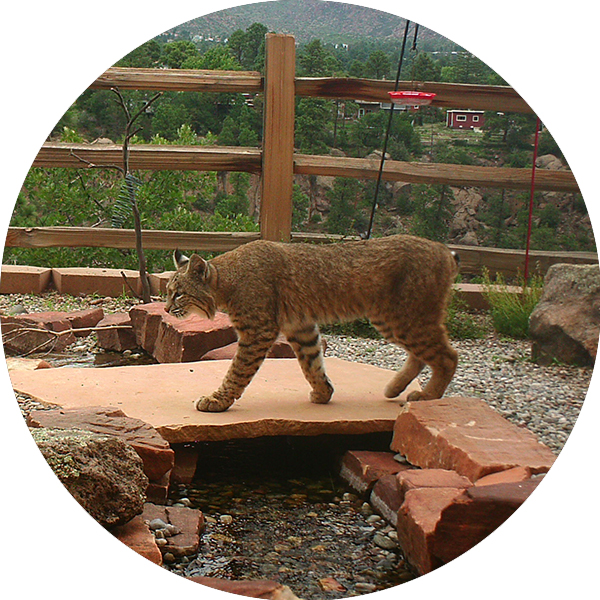
Garden/Outdoor Adoption Levels
Click a level for details.
Adopt a garden in our outdoor area and receive the following:
- Certificate of Adoption
- Fact Sheet
- Biannual updates about the garden
- Your name or your organization’s name displayed in the nature center
- Glossy photo of the adopted area
- Behind-the-scenes tour of adopted area led by a local expert
Adopt the Native, Pollinator, and Water-wise Gardens and receive the following:
- Certificate of Adoption
- Fact Sheet
- Biannual updates about the garden
- Your name or your organization’s name displayed in the nature center
- Glossy photo of the adopted area
- Behind-the-scenes tour of adopted area led by a local expert